


# The Impact of AI Art: Redefining Aesthetic Boundaries and Challenging Artistic Norms
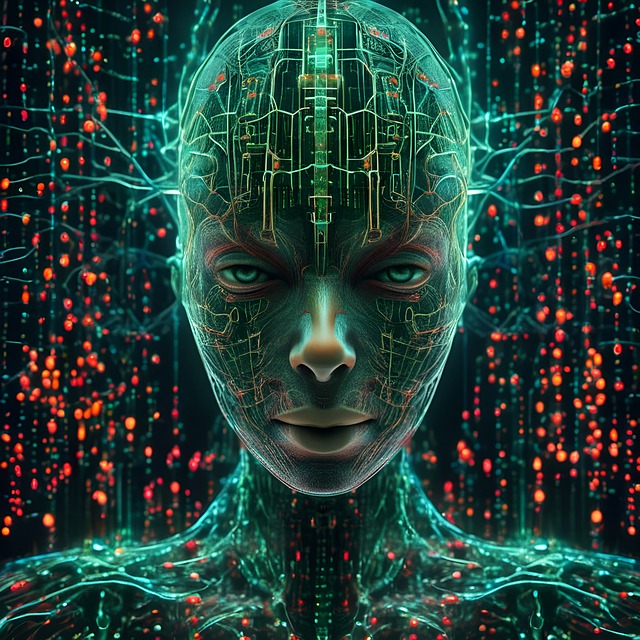
The advent of artificial intelligence (AI) has ushered in a new era in the art world, one marked by innovation and redefinition. As AI algorithms become increasingly sophisticated, they are not only assisting artists but also creating art independently. This phenomenon raises profound questions about creativity, authorship, and the very nature of art itself. In this article, we will explore the impact of AI art on aesthetic boundaries, the challenges it poses to traditional artistic norms, and the implications for the future of creativity.
## Redefining Aesthetic Boundaries
The emergence of AI-generated art has fundamentally altered our understanding of aesthetics. Traditionally, art has been a reflection of human experience, emotion, and intention. However, AI art operates on a different premise. By analyzing vast datasets of existing artworks, AI systems can generate compositions that mimic various styles, techniques, and themes. This capability challenges the notion of originality and raises questions about what constitutes beauty in art.
One significant aspect of AI art is its ability to blend styles and genres in ways that human artists may not envision. For instance, an AI can merge the techniques of Impressionism with elements of Abstract Expressionism, creating a unique visual language that transcends conventional categories. Such hybridization not only broadens the scope of artistic expression but also invites viewers to reconsider their preconceived notions of aesthetic value. The result is a rich tapestry of visual experiences that defy categorization.
Moreover, the accessibility of AI tools democratizes art creation. Artists of varying skill levels can utilize AI algorithms to experiment with new forms and styles, thereby expanding their creative horizons. This shift encourages collaboration between human and machine, fostering a dialogue that enriches the artistic landscape. As a consequence, the boundaries that once defined artistic practice are increasingly blurred, leading to a more inclusive and diverse understanding of art.
## Challenging Artistic Norms
The rise of AI art also presents a challenge to established artistic norms and conventions. Historically, the art world has been governed by specific criteria that determine the value and legitimacy of an artwork. Factors such as technique, originality, and emotional depth have traditionally been paramount. However, AI-generated art complicates these criteria, as the creation process is often devoid of human emotion and intention.
Critics argue that AI art lacks the authenticity and emotional resonance that characterize human-made works. They contend that art should be a reflection of human experience, and that an algorithm cannot replicate the depth of feeling inherent in traditional artistic practices. This perspective raises important questions about the role of the artist in the creative process. If an AI can produce art that is visually compelling, what does that mean for the value of human creativity?
On the other hand, proponents of AI art argue that it challenges us to rethink the essence of artistic expression. They suggest that art is not solely about the artist’s intention but also about the viewer’s experience and interpretation. In this light, AI-generated works can be seen as valid contributions to the artistic dialogue, prompting viewers to engage with art in new and unexpected ways. The intersection of technology and creativity invites a re-examination of what it means to be an artist in the 21st century.
## The Future of Creativity
Looking ahead, the impact of AI art on the creative landscape is likely to be profound and far-reaching. As technology continues to evolve, we can expect to see even more sophisticated AI systems capable of producing increasingly complex and nuanced artworks. This evolution raises important ethical and philosophical questions about authorship and ownership. Who owns an artwork created by an AI? Is it the programmer, the user, or the machine itself?
Furthermore, the integration of AI into the artistic process may lead to new forms of collaboration between humans and machines. Artists may find themselves working alongside AI as co-creators, blurring the lines between human and machine-generated art. This partnership could foster innovative approaches to creativity, resulting in artworks that are both technically impressive and deeply resonant.
In addition, the proliferation of AI-generated art has the potential to reshape the art market. As collectors and galleries begin to recognize the value of AI art, we may witness a shift in how art is bought, sold, and appreciated. The traditional gatekeepers of the art world may need to adapt to this new reality, embracing a more inclusive and diverse array of artistic expressions.
Ultimately, the impact of AI art extends beyond the realm of aesthetics and artistic norms. It challenges us to confront our assumptions about creativity, authorship, and the role of technology in our lives. As we navigate this uncharted territory, it is crucial to engage in open dialogue about the implications of AI art, ensuring that we harness its potential for positive change while acknowledging the complexities it introduces.
In conclusion, the rise of AI-generated art is redefining aesthetic boundaries and challenging traditional artistic norms in unprecedented ways. By blending styles, democratizing creation, and prompting critical discussions about authorship and value, AI art is reshaping our understanding of what art can be. As we move forward, embracing the opportunities and challenges presented by this new frontier will be essential for artists, collectors, and audiences alike. The future of creativity is not merely a product of human ingenuity; it is a collaborative endeavor that includes the contributions of intelligent machines.